Source high-efficiency single stage centrifugal pump for Water, Chemical, and Irrigation
Find 30 listings for high-efficiency single stage centrifugal pump suitable for water circulation, chemical processing, and irrigation systems. Buyers can compare specifications including head, capacity, and pressure ratings from verified suppliers in China.
Key considerations
Products List


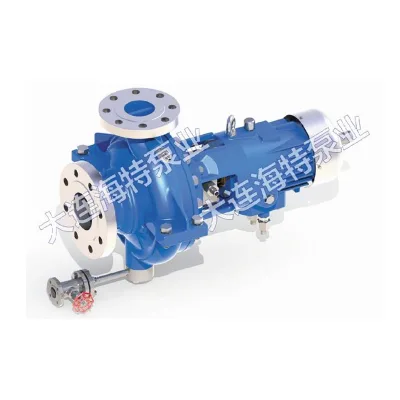
Advanced Single-Stage Centrifugal Pump for Efficient Water Distribution
$100.00 - $8000.00
MOQ: 10 Sets


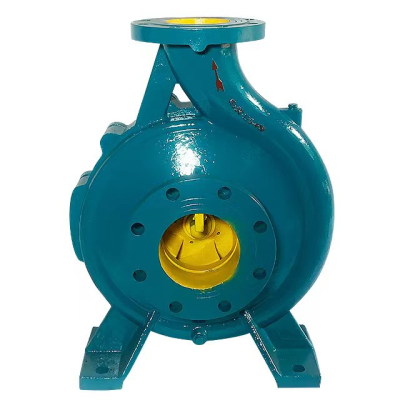
Horizontal Single Stage Centrifugal Pump with Large Flow Rate High Efficiency
$199.00 - $1999.00
MOQ: 1 Pieces





Comprehensive Sourcing Guide
Strategic Sourcing Guide for High-Efficiency Single Stage Centrifugal Pumps
Procuring high-efficiency single stage centrifugal pumps requires a disciplined approach that balances technical performance with supply chain reliability. In the current industrial landscape, buyers must navigate a complex array of specifications, from impeller configurations to pressure ratings, without relying on unverified marketing claims. This guide provides a structured framework for evaluating potential suppliers and selecting equipment that meets rigorous operational demands. The focus remains on evidence-based criteria derived from observable product attributes and established industry standards, ensuring that procurement decisions are grounded in verifiable data rather than speculation.
Technical Specifications and Performance Parameters
The core of any successful pump procurement lies in understanding the specific technical parameters that define the equipment's capability. For single stage centrifugal pumps, the impeller design is a primary differentiator. Available configurations include both closed and open impellers, each serving distinct fluid handling needs. Closed impellers are generally preferred for applications requiring higher efficiency and the handling of clean liquids, while open impellers are often utilized for fluids containing solids or slurries. The mounting height and shaft position further dictate the installation footprint and maintenance accessibility. Buyers should verify whether the pump is designed as a horizontal or vertical unit, as this impacts the piping layout and foundation requirements.
Performance metrics such as head and capacity are critical for matching the pump to the system curve. Observed data indicates a wide range of capabilities, with maximum heads spanning from 80-110 meters up to 150 meters and beyond. Capacity requirements can vary significantly, with some units designed for flows exceeding 400 liters per minute, while others cater to lower flow rates between 50 and 100 liters per minute. Working pressure is another vital specification, with pumps available in middle and high-pressure configurations. The operating temperature range is equally important; industrial applications may require units capable of withstanding temperatures from -40 to 175 degrees Celsius, or even broader ranges up to 450 degrees Celsius for specialized services. Buyers must ensure that the selected pump's pressure and temperature ratings align precisely with the process conditions to prevent premature failure.
Compliance, Certification, and Material Standards
Verifying compliance with international standards is essential for ensuring the longevity and safety of the pump in industrial environments. The material composition of the pump casing and impeller must be compatible with the fluid being pumped. Common materials observed in the market include various grades of stainless steel such as 304, 304L, 321, 316, and 316L, as well as super duplex steels like 2205 and 2507. For highly corrosive or demanding applications, materials like Tantalum (Ta2) and Titanium (Tc4) may be specified. The selection of material directly influences the pump's resistance to corrosion and its overall service life.
Standards compliance extends beyond material selection to include manufacturing and design codes. Buyers should look for pumps that adhere to recognized standards such as API 610, which is the industry benchmark for centrifugal pumps for petroleum, petrochemical, and natural gas industries. Additionally, flange standards must be compatible with existing piping systems; common standards include DIN, JIS, ANSI, and ASME. It is crucial to verify that the supplier can provide documentation confirming adherence to these standards. While specific certifications like ISO or CE may be mentioned in marketing materials, buyers should request third-party verification rather than accepting claims at face value. The absence of a specific certification in the provided data does not imply non-compliance, but it necessitates a rigorous request for proof of quality management systems and material traceability.
Cost Drivers and Economic Considerations
The total cost of ownership for a centrifugal pump is influenced by several factors beyond the initial purchase price. While observed price ranges in the market can vary from approximately 6.4 USD to 50,000 USD, this wide disparity reflects differences in size, material grade, pressure rating, and customization levels. High-efficiency pumps often command a premium due to optimized hydraulic designs that reduce energy consumption over the equipment's lifespan. However, the initial cost must be weighed against long-term operational savings.
Customization is a significant cost driver. Many suppliers offer customization options to tailor the pump to specific application requirements, such as unique shaft positions, specialized materials, or custom flange configurations. These customizations can increase the unit price and extend the lead time. The minimum order quantity (MOQ) also plays a role in cost structure, with observed ranges from 1 to 500 units. Buyers purchasing small quantities may face higher per-unit costs, whereas bulk orders can leverage economies of scale. Packaging is another factor; wooden case packaging is common for larger industrial pumps to ensure safe transit, but this adds to the overall logistics cost. Buyers should request a detailed breakdown of costs, including the base unit, customization fees, packaging, and shipping, to make an informed financial decision.
Typical Applications and Industry Fit
High-efficiency single stage centrifugal pumps are versatile and find applications across a broad spectrum of industries. Their usage ranges from general circulating pump duties to specialized slurry handling and chemical processing. The versatility of these pumps is evident in their ability to handle various fluid types, from clean water to aggressive chemicals. In the chemical industry, for instance, pumps made from corrosion-resistant alloys like 316L or 2205 are essential for handling acids and solvents. The permissible altitude of up to 1000 meters above sea level is a critical specification for installations in high-altitude regions, where atmospheric pressure affects pump suction performance.
The specific application dictates the required pump configuration. For irrigation and water supply, pumps with mounting heights suitable for suction centrifugal applications are common. In contrast, industrial processes requiring high pressure may necessitate pumps with a maximum head exceeding 150 meters. The working pressure classification, whether middle or high, determines the pump's suitability for different system pressures. Buyers must clearly define the application context, including the fluid properties, flow rate, and head requirements, to ensure the selected pump is not only efficient but also robust enough for the intended service. Misalignment between the pump's design and the application can lead to cavitation, excessive wear, or system failure.
Supplier Evaluation and Sourcing Strategy
Evaluating potential suppliers requires a systematic approach that goes beyond reviewing product catalogs. Buyers should assess the supplier's manufacturing capabilities, quality control processes, and track record in delivering similar equipment. The origin of the product is a relevant factor, with major manufacturing hubs identified in regions such as Zhejiang, Wenzhou, and Jiangsu, China. While these regions are known for industrial production, buyers should verify the specific factory's capacity and expertise. The trade mark or brand name, such as "Hb," may indicate a specific manufacturer, but it should not be the sole basis for selection.
Supplier reliability is paramount. Buyers should inquire about the supplier's ability to meet delivery schedules and their policies regarding after-sales support. The availability of spare parts and the technical expertise of the support team are critical for minimizing downtime. Additionally, the supplier's willingness to provide detailed technical documentation, including performance curves, material certificates, and installation manuals, is a strong indicator of professionalism. Buyers should also consider the supplier's flexibility in handling customization requests and their responsiveness to technical queries. A supplier that demonstrates a deep understanding of the application requirements and offers tailored solutions is more likely to deliver a successful procurement outcome.
Quality Control and Long-Term Procurement Considerations
Ensuring the quality of the pump is a continuous process that begins with the selection of raw materials and extends through manufacturing, testing, and delivery. Quality control measures should include material verification, dimensional checks, and performance testing. Buyers should request test reports that validate the pump's performance against the specified parameters, such as head, flow rate, and efficiency. The use of standardized testing protocols, such as those outlined in API 610, provides a benchmark for evaluating the pump's quality.
Long-term procurement considerations involve planning for the entire lifecycle of the equipment. This includes anticipating maintenance needs, spare parts availability, and potential upgrades. The choice of materials and the design of the pump should facilitate easy maintenance and minimize the frequency of repairs. Buyers should also consider the environmental impact of the pump, particularly in terms of energy efficiency and the potential for fluid leakage. A pump that is designed for high efficiency not only reduces operational costs but also aligns with sustainability goals. Finally, establishing a long-term relationship with a reliable supplier can provide benefits such as priority support, volume discounts, and access to the latest technological advancements in pump design.
Conclusion
Sourcing high-efficiency single stage centrifugal pumps is a multifaceted process that demands careful attention to technical specifications, compliance standards, and supplier capabilities. By focusing on verifiable data and adhering to established industry practices, buyers can make informed decisions that ensure the reliability and performance of their pumping systems. The wide range of available options, from different impeller types to various material grades, offers the flexibility to meet diverse application needs. However, the complexity of the market requires a disciplined approach to evaluation, emphasizing the importance of quality control and long-term planning. Through a strategic and evidence-based procurement process, organizations can secure pumps that deliver optimal performance and value over their operational lifespan.
FAQs
What impeller types are available for these pumps?
Both closed and open impellers are available depending on the application. Closed impellers suit clean liquids for higher efficiency, while open impellers handle fluids with solids or slurries effectively.
Which mounting heights and shaft positions are offered?
Pumps are available in horizontal and vertical configurations with mounting heights like suction centrifugal or irrigation types. The specific position impacts installation footprint and maintenance accessibility for the user.
Can the pumps handle high working pressures?
Yes, options exist for both middle and high-pressure applications. Some models support maximum heads exceeding 150 meters and operating pressures up to 5.0 MPa for demanding industrial services.
What material grades are used for corrosion resistance?
Materials include various stainless steels like 304, 316L, and super duplex grades such as 2205. Specialized applications may utilize Tantalum or Titanium for extreme corrosion resistance in chemical industries.
How does customization affect the procurement process?
Customization is available for specific shaft positions, materials, and flange configurations. This flexibility allows tailoring to unique needs but may increase unit price and extend the lead time for delivery.
What are the typical capacity and head ranges?
Capacity ranges from 50 to 100 liters per minute up to over 400 liters per minute. Maximum heads span from 80 meters to 150 meters or more depending on the specific model selected.
Which international standards do the pumps comply with?
Pumps adhere to standards like API 610 and ASME/ANSI for design and manufacturing. Flange standards include DIN, JIS, and ANSI to ensure compatibility with existing piping systems globally.